



Eyes on Litchfield provides annual dilated diabetic eye exams in Bantam, CT. Diabetes can damage the retina years before it affects your sight. We photograph and examine the retina for diabetic retinopathy and macular edema, then send a report to your primary care doctor or endocrinologist. These exams are covered by medical insurance, including Medicare.
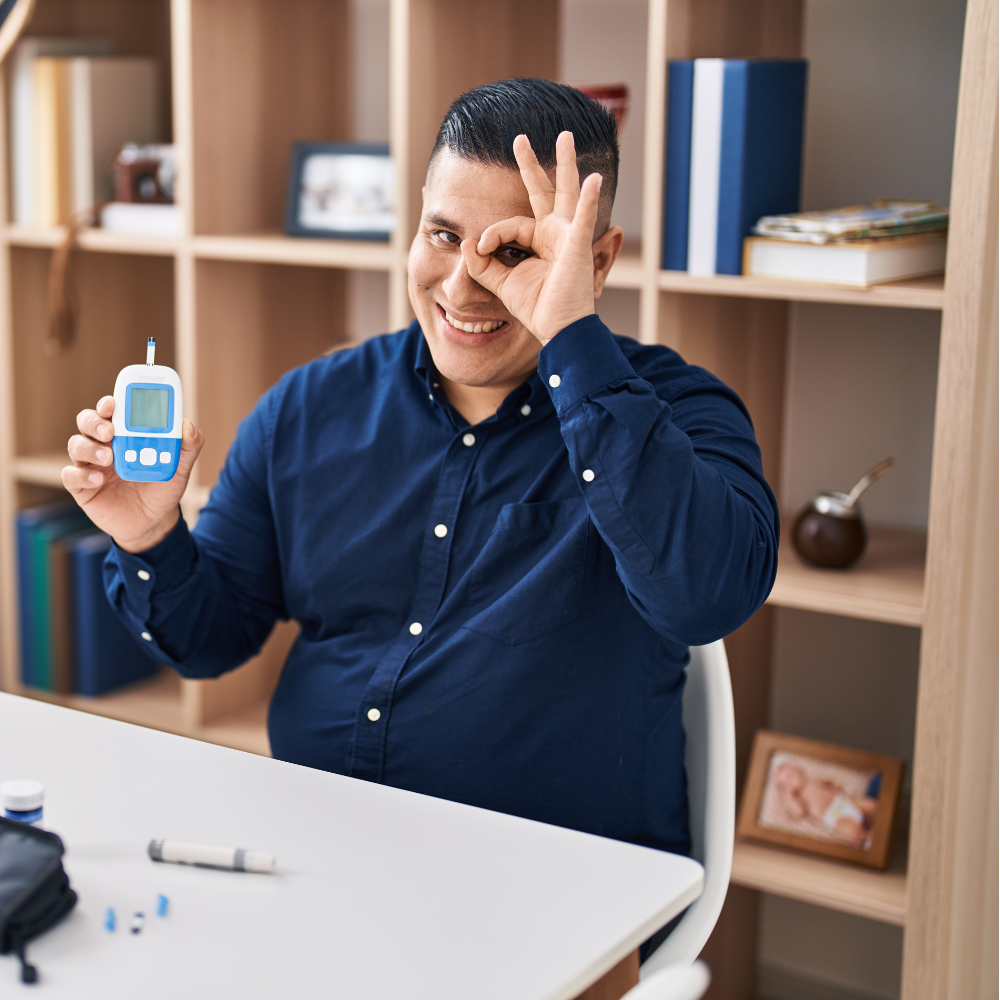
Diabetes can quietly affect your eyes before you notice any symptoms. Changes in blood sugar levels can damage the tiny blood vessels in your eyes, leading to serious vision problems if not detected early.
.png)
.png)
Identify problems before they affect your vision and reduce the risk of serious eye disease.
Regular monitoring helps slow or prevent vision damage caused by diabetes.
Your eye care is tailored to your health history, diabetes management, and vision needs.
Advanced imaging allows us to detect subtle changes in the blood vessels and retina that may not yet be affecting your vision.


"The BEST eye exam I've ever had. Dr. Plunske is very thorough, she takes the time and answers your questions. I did not feel rushed. Her staff is friendly and very helpful especially with insurance questions."
"In my 60 years of wearing glasses, this was the best exam ever!! And, the NeuroLens change is letting me read without strain. I had given up on reading for enjoyment. Now that is back again. Thank you, thank you, thank you!"


Most patients with diabetes should have a comprehensive eye exam once a year, or more often if recommended by their doctor.
Diabetic retinopathy occurs when high blood sugar damages the small blood vessels in the retina — it often develops without symptoms, making early detection through routine exams essential.
If left undetected, diabetes-related eye disease can lead to serious vision loss — but regular monitoring and early treatment significantly reduce this risk.
The best protection is a combination of consistent blood sugar management, annual diabetic eye exams, and early treatment if any changes are detected — working closely with both your eye doctor and primary care provider.
Schedule your visit today and discover eye care designed around your needs.
.png)
.png)
.png)